
Athletics
In 1984, the NBA banned Michael Jordan’s red-and-black Air Jordans; Nike turned the $5,000-per-game fines into a marketing sensation
Nike turned the Air Jordan 1 controversy into a marketing opportunity in April 1985, promoting the sneaker as a design banned by the NBA.
· · 2 min read
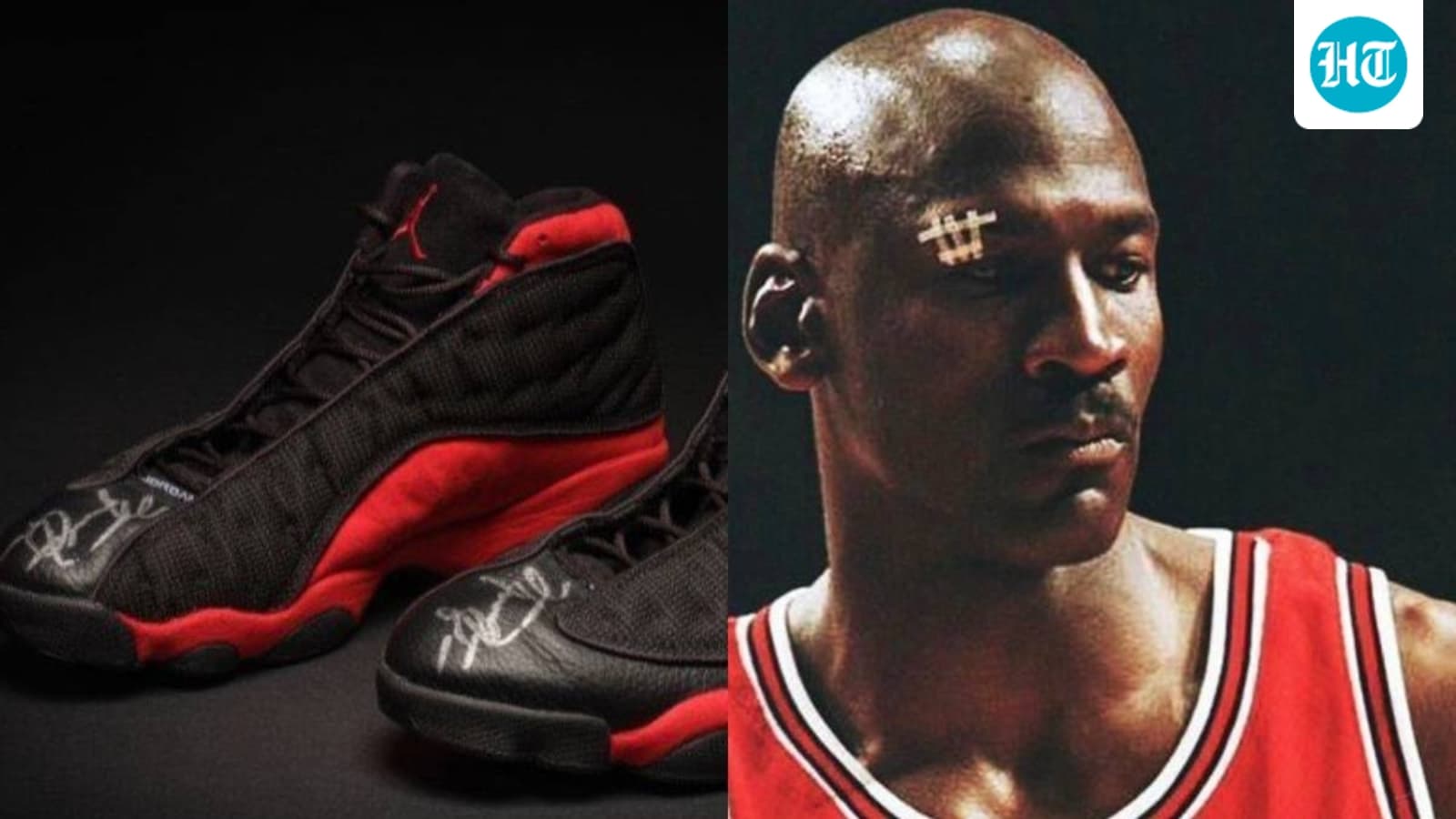
When Michael Jordan debuted his now-iconic black-and-red sneakers, he could hardly have imagined that the design would become one of the most recognizable stories in sports marketing.
What began as a footwear controversy eventually helped reshape basketball, fashion and sneaker culture, giving rise to the Air Jordan 1’s famous “Banned” identity.
Jordan’s story with the Chicago Bulls began in the fall of 1984, at the start of what would become a legendary NBA career. While his six championships and lasting influence on sports were still years away, the young guard was already making a statement with a sneaker design unlike any other on the court.
Jordan’s bold black-and-red sneakers quickly became a talking point for reasons that extended well beyond basketball performance.
During that era, the NBA maintained strict guidelines on players’ uniforms, extending even to the colors of their sneakers. Footwear was expected to follow league requirements and coordinate with team uniforms. Jordan’s black-and-red shoes broke from the norm.
The striking design soon drew the attention of NBA officials, including commissioner David Stern.
Nike still keeps a framed copy of the NBA’s letter declaring that Jordan’s footwear breached the league’s “rules and procedures," according to a CNN report.
Although the letter did not directly refer to the so-called “51% rule,” the policy stipulated that players’ shoes had to be predominantly white and complement their team’s colors.